Pain is not a single signs and symptom. It is a relocating target formed by biology, psychology, society, and context. Registered nurses sit at the facility of that intricacy, commonly becoming the individual that listens to the first summary, makes the initial judgment, and begins the very first treatment. Solid pain management training, combined with the best qualification, gives nurses the self-confidence to act rapidly and the subtlety to act sensibly. This overview distills what matters most on the ward and at qualification time, from pathway-based thinking to bedside communication, consisting of where the puaeme008 framework fits and just how to select the appropriate discomfort administration training course for your role.
What registered nurses really manage when they handle pain
On a busy shift, pain hardly ever presents as a basic rub out of 10. An elderly person recouping from hip surgical treatment explains "hurting" that just shows when moving from bed to chair. A young adult with sickle cell condition records "stabbing" pain despite typical vitals. A palliative care individual is "not in pain" yet recoils whenever the sheet touches her foot. These tales require different reactions and different lines of assessment.
A sensible mental version sets 3 domain names: system, individual, and context. Mechanism asks what is driving the pain. Is it nociceptive tissue injury, neuropathic firing, or a combined image such as postherpetic neuralgia with muscle safeguarding? Individual refers to comorbidities, previous discomfort experiences, opioid resistance, and interaction choices. Context includes setting, resources, timing, and threats such as respiratory concession or delirium.
Pain management training for registered nurses ought to develop this triad. Certification programs commonly check it indirectly via instance circumstances. They are actually inspecting whether you can align your actions with the device, tailor to the individual, and anticipate the context.
Decoding course options and credentials
The landscape of pain monitoring programs varies commonly. Some are technique specific, others interprofessional. Some prioritize pharmacology, others concentrate on interaction, reassessment, and nonpharmacologic methods. If you are going after pain administration training for registered nurses, seek clear learning results, case-based method, and durable assessment.
Short programs hurting management are valuable for targeted abilities. A 3 to eight hour module can cover opioid conversions, ketamine mixture security, or nonpharmacologic approaches in pediatric medicines. Longer programs, such as a certificate program in pain monitoring or a discomfort management accreditation training course, offer stackable discovering that includes pathophysiology, progressed analysis, and interdisciplinary coordination. You will see terms like pain administration certificate and pain administration accreditation made use of mutually by marketing groups, but the distinction matters. A certificate course suffering monitoring represents completion of education and learning. Accreditation normally suggests an exterior body verifies your knowledge using a test and recurring proceeding education.
In some emergency situation care frameworks, you may encounter PUAEme008 provide pain monitoring or similar device codes that define expertise in prehospital or immediate settings. The puaeme008 offer discomfort management unit, where available in your area, typically covers rapid assessment, secure management of initial line analgesics, nonpharmacologic treatments in the area, and handover. While made with emergency -responders in mind, the concepts map nicely to triage nurses and anybody that operates in emergency discomfort management.
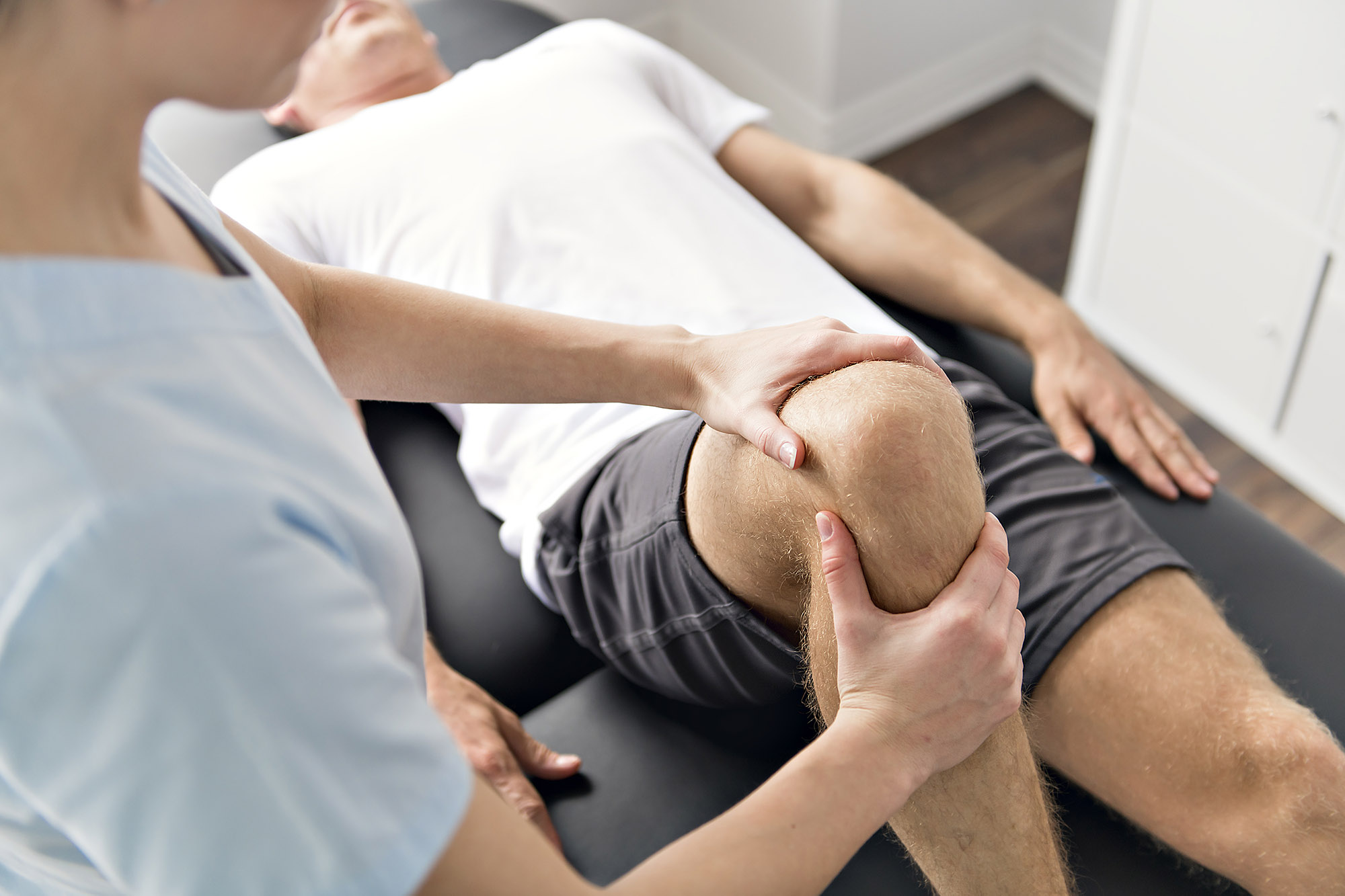
If you function outdoors nursing, the alternatives change. Pain monitoring courses for physio therapists normally highlight function, graded exposure, movement-based analgesia, and communication strategies that minimize concern avoidance. Shared training sessions serve. Registered nurses who hear how physiotherapists mount pacing and activation frequently alter their bedside suggestions, preventing the trap of telling patients to stay still "until the pain works out," which can lengthen recovery.
Building the skill set that accreditation tests expect
Certification bodies try to find secure, reproducible technique. They want you to resolve discomfort while securing air passage, breathing, and blood circulation. They want you to utilize the least risky choice that will function, and to identify when to intensify. They anticipate you to monitor, document, and hand over clearly. Those assumptions translate to several core competencies.
Assessment goes beyond the numerical score range. The inspectors wish to see multidimensional devices utilized appropriately: the Wong-Baker deals with for youngsters or people that like pictorial scales, the FLACC for nonverbal patients, the Discomfort, Enjoyment, and General activity (PEG) scale for persistent discomfort follow-up. They additionally want to see function caught in your charting. Instead of "pain 8/10," aim for "discomfort hinders transfer and deep breath, boosts to 4/10 with splinting and 5 mg oxycodone, able to ambulate 10 meters with structure."
Pharmacology concerns tend to focus on first-line selections, application, and safety and security checks. For nociceptive postoperative pain, paracetamol and an NSAID give a solid base unless contraindicated. For neuropathic features, training must cover gabapentinoids, SNRIs, or tricyclics, including renal adjustment, daytime sedation, and fall threat. Registered nurses are typically checked on opioid conversions and development application. Know the difference in between equianalgesic tables and medical reality. Cross-tolerance is not symmetrical. When converting in between opioids, conventional technique is to reduce the computed equianalgesic dose by 25 to 50 percent and titrate to effect.
Nonpharmacologic methods appear more than people anticipate. Splinting an incision for coughing, ice for intense bone and joint pressure, heat for muscular tissue spasm, led breathing, music, and presence all decrease dosage demands. When your treatment strategy documents these actions along with medication, you demonstrate integrative thinking, which is favored both in examinations and during actual audits.
Safety is nonnegotiable. The essentials typically matter most. Examine last dose times across timetables, protect against stacking prompt launch and expanded release erroneously, and verify path viability. With IV opioids, continuous tracking and timely review go to the core of pain monitoring training programs. Breathing price alone is an undependable guard. See deepness and pattern, psychological standing, and oxygen saturation, and capture a sedation rating. If your center utilizes a sedation scale like Pasero, include it in your documentation, specifically when titrating.

Pain in special populations
General rules falter at the extremes old, in maternity, and in clients with body organ failing. Certification circumstances often push right into these zones.
Older adults take care of medications in a different way. They often tend to have actually lowered renal and hepatic clearance, altered body composition, and boosted sensitivity to CNS downers. It is not a blanket restriction on opioids or NSAIDs, but it requires thoughtful application, kidney checks, and choices such as topical NSAIDs for local osteoarthritis. For delirium risk, avoid high anticholinergic load. Reduced dose opioid plus arranged paracetamol, very early mobilization, and rest security frequently exceed escalating sedatives.
Pediatrics calls for weight-based application accuracy and a calmness, organized strategy to treatment discomfort. Good training highlights sucrose for infants, topical anesthetics for cannulation, youngster life interruption methods, and early dental analgesia instead of waiting for panic to set in. Parents are partners. If they report the youngster's baseline coping techniques, make use of them.
Pregnancy brings risk-benefit decisions at every action. Short training courses that attend to obstetric analgesia can help you stabilize maternal convenience with fetal safety and security. Paracetamol remains initial line. NSAIDs have gestational restrictions. Opioids are possible however call for clear indications and surveillance, with an eye towards neonatal respiratory anxiety if offered near delivery.
Renal and hepatic problems alter half-lives and energetic metabolites. Morphine's metabolites gather in kidney failure and can trigger neurotoxicity. Hydromorphone is frequently liked, with dosage reductions. Gabapentin is removed renally, so dose it very carefully. This is the kind of patient-specific information test questions touch, because it secures clients in everyday practice.
What puaeme008 shows that wards usually forget
The spirit of puaeme008 give discomfort administration can be summed up as quick, safe, and patient-centered. It focuses on scene assessment, instant convenience actions that cost absolutely nothing, early analgesia within range, and conscious handover. That is a useful self-control on the ward too.
The simple steps make a distinction. Offer a placement of convenience before a single milligram is given. Apply ice to an inflamed ankle joint while you prepare the analgesic. Use a neutral, validating manuscript: "I can see you are harming. Here are 2 things we can do now while I obtain your medicine." Those steps establish trust and often reduced the dose required. In an emergency department bay, that may appear like raising a broken forearm, splinting, and giving intranasal fentanyl within your procedure, after that recording the pain trajectory and sedation level at five and ten mins. On a clinical flooring, it might be rearranging an individual with rib cracks with a pillow under the arm, mentor splinting for coughing, and administering paracetamol on time prior to layering opioids.
Documentation that stands up in audits
Certification programs emphasize documentation not due to bureaucracy, but since it produces continuity and security. Poor keeps in mind damage the chain. Good notes decrease replication, protect against mistakes, and show that the strategy adjusts to the patient.
Consider the makeup of a strong entry. Begin with baseline descriptors past the number: area, top quality, causes, and function. Tape what you started, both pharmacologic and nonpharmacologic. Consist of objective sedation degree, breathing rate and pattern if relevant, and timing of reassessment. Keep in mind response in both discomfort and function, not just one. Shut the loop with what you will certainly do next, such as "if pain increases above 5/10 at remainder, will certainly reassess and think about 1 mg IV hydromorphone, max 2 mg in 2 hours, maintain Pasero goal S = 2." That level of uniqueness aids the following registered nurse act without guessing.
I once examined a surgical ward where the typical note review like a theme: "Pain 7/10, given oxycodone 5 mg, person resting." It looked neat and was nearly worthless. We could not tell whether breathing enhanced, whether the patient might cough, or whether the next dose was justified. After training, the wording transformed to "Discomfort 7/10 with activity, 3/10 at rest, shallow breathing with coughing reductions. Offered oxycodone 5 mg and instructed on pillow splint. At half an hour, discomfort 4/10 with motion, deep breaths x 3 without grimace." The distinction reveals real treatment and helps the group adjust.
A functional roadmap to a pain management certificate
Earning a discomfort administration certificate starts with selecting the best program. If your goals are bedside concentrated, focus on functional examinations and scenario job. If you are heading towards a specialist function, seek a discomfort management certification that is identified by a nursing board or a national pain culture and includes examination plus continuing education. Programs labeled pain monitoring training for nurses usually offer components straightened to hospital technique. If your role includes ED triage or ambulance offloads, an unit like puaeme008 supply discomfort administration or an emergency discomfort monitoring module includes instant value.
Expect prework. Excellent programs send reading on pathophysiology and pharmacology in advance, so classroom time can focus on combination. Expect calculations. You will likely transform in between dental and parenteral paths, adjust for body organ disorder, and write secure PRN orders with clear maximums. Expect scenarios. Programs worth your time will replicate actual trade-offs, such as whether to give a 2nd IV bolus or start a low-dose mixture, whether to ask for a local block, or just how to take care of a flustered yet hypoxic client with trauma.
Plan for revival. Pain protocols progress. The last years brought a lot more regional blocks in the ED, enhanced use of low-dose ketamine mixtures, boosted devices for sedation surveillance, and far better nonpharmacologic toolkits. Deal with certification as a pen in a longer journey. Discomfort administration training courses that supply modular updates enable you to keep pace without duplicating entire programs.
Choosing between comparable pain management courses
Marketing gloss can make every carrier appear the very same. Draw back the drape by asking a few certain concerns. Who educates the training course? Clinicians that still practice bring practical suggestions you can make use of tomorrow. The number of circumstances do you run? Search for programs with at least several hours of instance work, not just lecture. Just how do they assess skills? Multiple option exams examination understanding, but observed structured medical examinations expose whether you can examine, make a decision, and communicate under time stress. How do they take care of nonpharmacologic approaches? Programs that educate details methods and scripts rather than obscure inspirations are worth more.
If you are contrasting discomfort management programs for registered nurses to discomfort management courses for physiotherapists, think about doing both if budget plan enables. The overlap enhances team effort, and each point of view rounds out the various other. For interprofessional teams, a shared certification training course suffering administration improves care strategies and reduces clashing advice.
Emergency discomfort administration and the first ten minutes
The initially ten mins shape the following hour. That holds true on the ward, throughout transport, and in the emergency room. Basic, constant actions reduce missed out on injuries and prevent escalation errors. Below is a small, exam-friendly series for urgent setups that mirrors several puaeme008 expectations while fitting health center practice.
- Safety check and ABCs, then pain cause scan: look, touch once carefully, inspect distal pulses. Log important signs and a sedation level baseline. Initiate prompt convenience: position, ice or heat as suitable, splint if unpredictable, silent the room, develop rapport with one sentence of validation. Start analgesia within scope: oral paracetamol otherwise already offered and no opposite, topical or local choices if offered, intranasal or IV representatives per protocol when pain is severe. Anticipate dosage intervals. Document your assumptions and plan: thought mechanism, threat flags, what you will reassess and when. Capture function targets, not simply numbers. Reassess at predictable intervals, and rise in determined steps. If there is no result, reevaluate the system, not simply the dose.
That checklist is enough for among both permitted listings in this short article. It is brief deliberately, so you can recall it throughout pressure.
Communication that reduces dosage and conflict
Words and tone change discomfort experience. Pain management training often advanced pain management courses deals with interaction as soft abilities, however they transform outcomes. Two fast instances show how.
With a post-op person unwilling to relocate: "Allow's attempt a strategy that trades a little bit even more convenience now for faster breathing and strolling later. I will offer your set up analgesia, show you exactly how to splint the laceration, and remain with you for the first 3 deep breaths." The structure expects anxiety, frames the advantage, and sets medicine with movement.
With a patient identified "medicine looking for" in handover, which is commonly code for miscommunication: "I want to recognize what has aided you previously. Last time you were right here, what functioned and what did not? What adverse effects do you want me to avoid today?" That shift moves far from judgment and toward partnership. It commonly uncovers tolerability issues that drove repeated demands, such as pruritus with morphine or nausea or vomiting with greater oxycodone doses, leading to a much more effective plan with less confrontations.
Certification scenarios often consist of a standard patient whose main difficulty is mistrust. Inspectors look for validation, clear explanations, and transparent limitations. It is acceptable to establish boundaries as long as they are coupled with options. "I can not give even more of that medicine yet as a result of your breathing pattern, but I can remain with you while this dose takes effect and include ice and altitude. If your sedation degree boosts and you still harm, I have a next action ready."
Measuring success beyond the number
Pain ratings matter, but they are not the finish line. Feature, convenience at remainder, sleep quality, and participation in physical rehabilitation tell the real story. If a patient's pain rating drops from 8 to 5, yet they can ultimately take a deep breath and stroll to the restroom, that is progress. If the number falls however the patient is sedated and misses therapy, that is not success.
Build tiny useful objectives into your notes and your handover. After abdominal surgery, aim for productive coughs, ten to fifteen laps of reward spirometry per hour while awake, and seated dishes by day 2 if medically ideal. Encourage physiotherapy to set up sessions after peak analgesia, which frequently suggests 30 to 60 minutes after oral application. These information reduce size of keep and are exactly the sort of practical connections solid pain administration training for registered nurses teaches.
Preparing for the test week
In the weeks prior to a pain monitoring accreditation exam, change from passive reading to active technique. Sum up opioid conversion action in your very own words and inspect them with a coworker. Run through at the very least ten instance vignettes that require you to select between 2 practical alternatives. Build a quick-reference sheet you can recreate from memory: first-line options for common circumstances, renal and hepatic adjustment signs, sedation scoring, warnings for local blocks, and the common beginning and height of dental, IV, and intranasal agents.
If your program includes puaeme008 or a comparable emergency situation pain administration device, practice the fast series aloud. Trainees frequently recognize the steps however freeze under time stress. Stating it out loud converts knowledge right into manuscript. If your accreditation has a useful component, ask associates to observe you during regular care and critique your reassessment timing and documents. Capability shows in the tiny rhythms, not just the interventions.
When procedures encounter patients
Protocols streamline decision paths, however individuals complicate them. A timeless conflict arises when an individual with chronic opioid use provides with intense injury. Typical orders might underdose. Concern sits beside caution. This is where the very best training beams. You honor the individual's tolerance without losing vigilance. That could indicate determining a realistic advancement dose based on home routine, using multimodal analgesia to reduce overall opioid tons, and creating specific surveillance standards that you show the person. These are not oppositions. They are a match of mechanism, individual, and context.

Another problem turns up with language obstacles or cognitive impairment. Pain goes without treatment due to the fact that the group can not validate intensity. Do not let uncertainty default to inaction. Usage empirical tools, seek advice from family or caretakers for behavioral standards, and consider time-limited trials with clear endpoints. File your rationale. Qualification boards worth clinicians who act while demonstrating humbleness and safety.
Pulling it all together on a common shift
A surgical floor, very early mid-day. pain management courses for physiotherapists You get handover on a 64-year-old day-one laparotomy person. Discomfort 6 to 8 at remainder over night, superficial breathing, not utilizing motivation spirometer. Kidney feature secure, moderate COPD. Current orders include paracetamol 1 g every six hours, advil 400 mg every 8 hours, oxycodone 5 to 10 mg every four hours PRN, and hydromorphone 0.5 mg IV PRN for breakthrough.
You meet the client. He is protecting and responses in other words phrases. You start by rearranging him with a cushion under the right side to reduce incisional stretch and teach splinting for coughing. You check the MAR and see paracetamol last provided five hours back, ibuprofen on schedule, oxycodone 5 mg twice overnight. You offer paracetamol now, clarify the strategy to target deep breathing and mobility, and provide oxycodone 7.5 mg because he tolerates opioids yet stays secured. While waiting for start, you use warm around the paraspinals to ease muscular tissue stress from guarding. You set a timer to reassess in 40 mins, not two hours.
At review, his relaxing discomfort is up to 3, still 5 with motion, and he finishes 10 motivation spirometry draws with one coughing. You record pain qualities, sedation S = 2 on Pasero, RR 16 with routine pattern, and ambulate 10 meters. You likewise note that if cough continues to be reduced or pain at movement exceeds 5 at following check, you will certainly include hydromorphone 0.25 to 0.5 mg IV prior to physiotherapy, then go back to oral plan. That note arms the next registered nurse. By very early night, he is taking a breath much deeper and walking even more. The overall opioid dose is modest, and no person had to guess.
This is not heroics. It is the end result of training that mixes pharmacology, timing, nonpharmacologic strategies, evaluation, interaction, and paperwork right into one practice. That is what discomfort management training for registered nurses intends to build, and what a pain management certification should validate.
Final ideas prior to you enroll
Courses matter when they alter what you do at the bedside. A strong discomfort monitoring program or series of discomfort monitoring training programs will certainly provide you practical algorithms, develop your monitorings, and expand your nonpharmacologic toolkit. If you need a quick abilities increase, short courses suffering management can plug spaces fast. If you intend to formalize your knowledge, pick a pain monitoring certification program or complete pain administration certification that tests application, not simply recall. For emergency-focused functions, align your learning with emergency situation pain administration modules or puaeme008 supply discomfort management to develop the first ten minutes.
Quality training helps you relieve experiencing without creating brand-new dangers. That is an advantage and an obligation. When the next patient presses your hand and says the pain is much better and the breathing is easier, you will certainly understand it deserved the work.